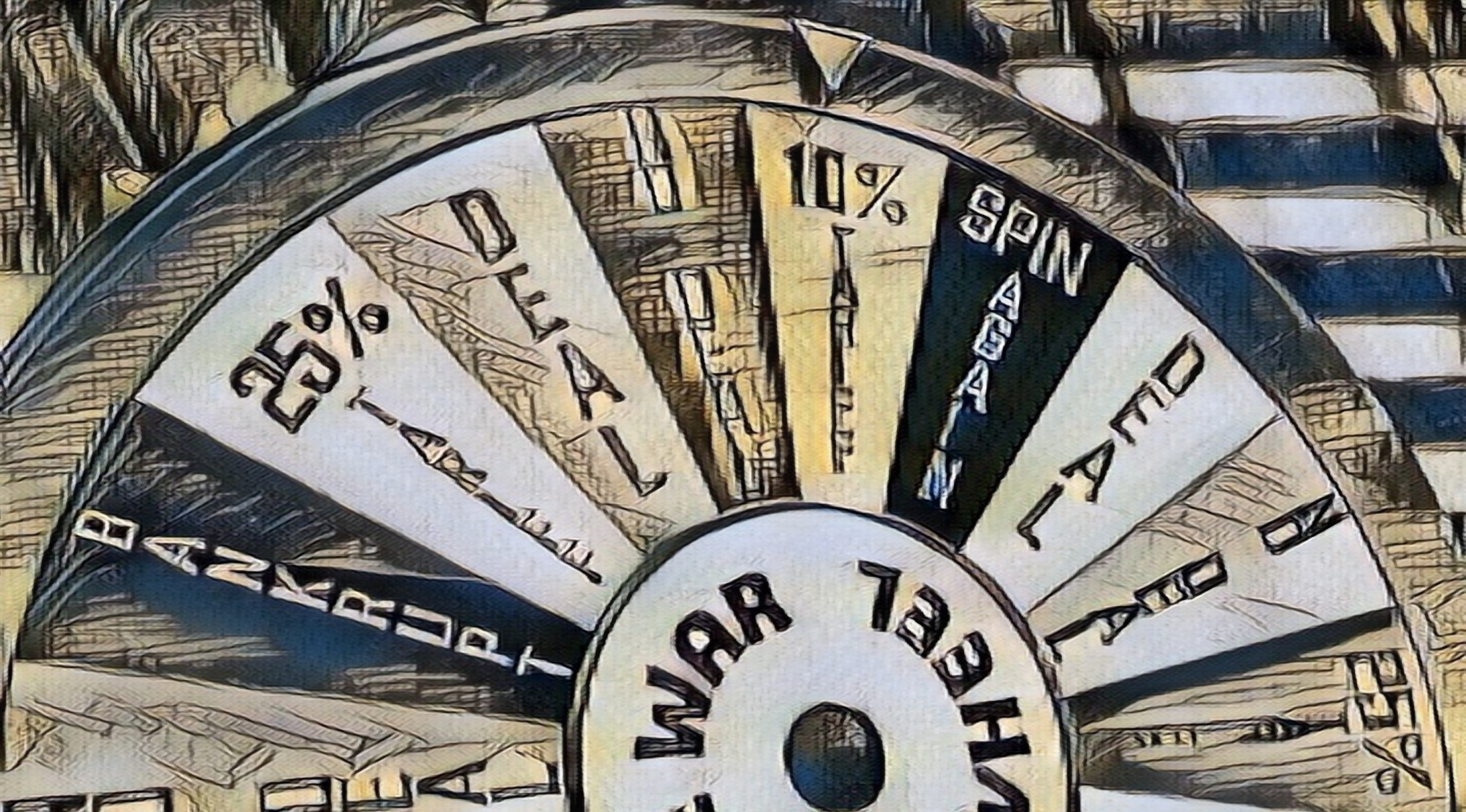
Tariffs have always been a quiet force in the economy—out of sight, rarely understood, but deeply influential. That quiet is over. In 2025, tariffs are back in the spotlight, rebranded as a weapon in Donald J. Trump’s aggressive new trade strategy. The goal? To revive American industry and reassert economic dominance. But behind the patriotic slogans lies a slower, quieter threat: a creeping wave of inflation that could squeeze U.S. households for years to come.
Let’s start with the basics. A tariff is a sales tax on imports. If a U.S. company brings in foreign steel or electronics, and there’s a 25% tariff, their cost shoots up. They either absorb that hit or pass it to consumers. Some say this just causes a short-term price bump that fades fast. That’s wishful thinking.
Tariffs often hit the foundation of the supply chain—not just finished goods like washing machines but the raw materials and components inside them. That’s where the long game starts. When companies pay more for essential inputs like steel, aluminum, or microchips, the extra cost doesn’t just show up once—it compounds. Every layer of production adds its own markup, turning a small tariff into a widespread price hike that unfolds slowly but sticks around.
Inflation doesn’t announce itself with fanfare. It builds gradually, creeping into prices and chipping away at purchasing power year after year. New research confirms what many in the real economy already feel: tariffs on intermediate goods don’t just cause a one-time spike—they set off a chain reaction that can last for years.
Here’s some context. Inflation already spiked dramatically during the COVID era. Supply chain chaos, labor shortages, and rising demand pushed prices up across the board. Take potato chips: Jared Bernstein, former chair of Biden’s Council of Economic Advisers, pointed out that a 16 oz. bag “wiggled around $4.50 for many years before the pandemic price shock, at which point they jumped to $5 and then $6.50, where they’ve been since.”