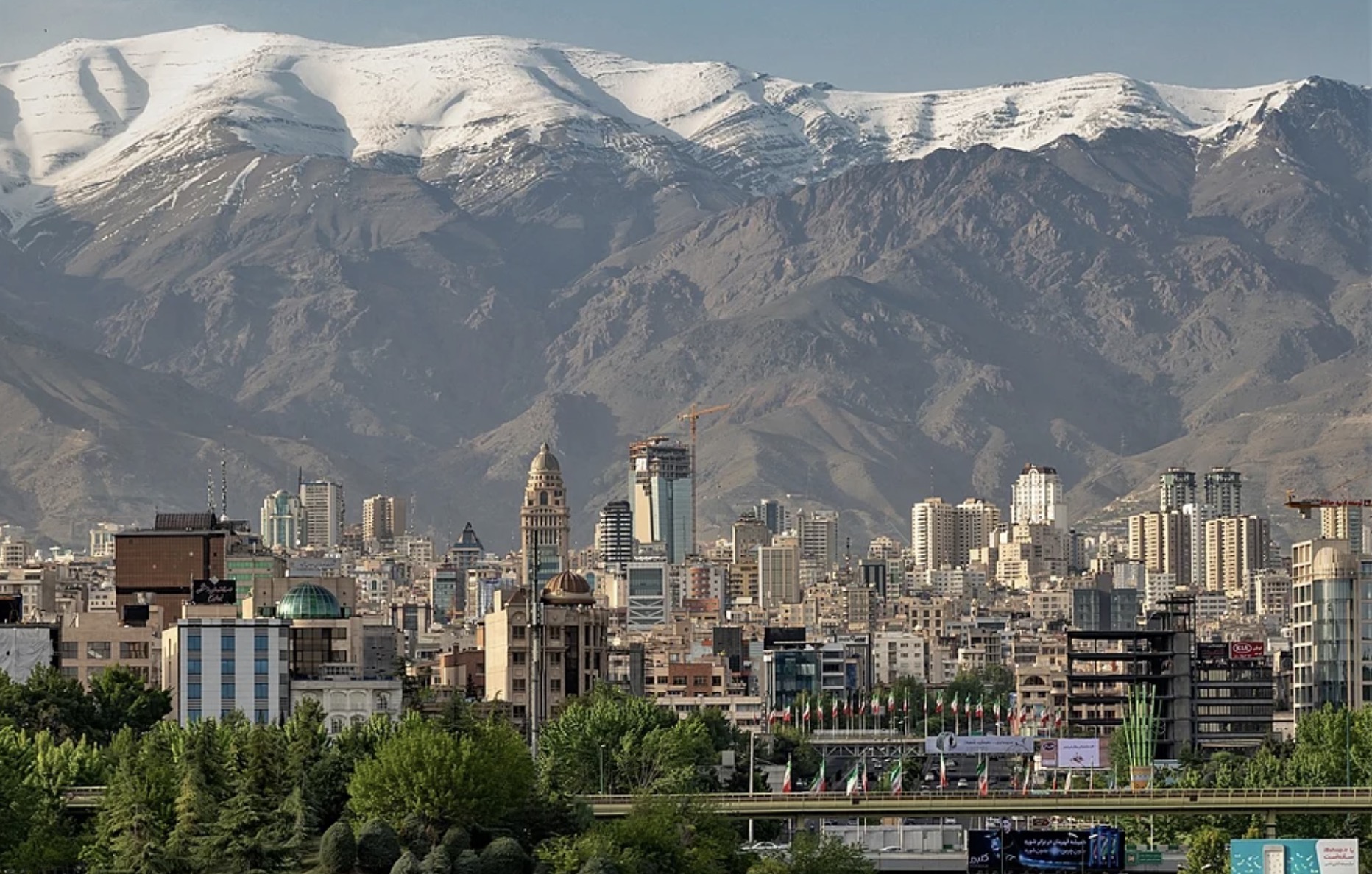
At 3:12 a.m., the sky over Tehran tore open.
Windows rattled. Car alarms screamed. Tracer fire ripped upward and burst white. By sunrise, the Pentagon had a name—Operation Epic Fury—a coordinated U.S.–Israel strike on Iranian military and nuclear-linked targets.¹ Iran answered within hours with ballistic missiles and drones aimed at Israel and U.S. bases across the Gulf.¹ Airspace shut. Oil spiked. The region tilted.
Then came the sentence that changed the geometry.
In a recorded message released as the strikes unfolded, President Donald Trump urged ordinary Iranians to overthrow their government. “When we are finished, take over your government,” he said. “It will be yours to take. This will be, probably, your only chance for generations.”² Prime Minister Benjamin Netanyahu echoed him, saying the attacks would help Iranians cast off a “yoke of tyranny.”²
Bombs fall. Leaders speak. Most of the time, those are separate acts.
Not this time.
War, in that moment, stopped being only foreign policy. It became domestic architecture.
History has seen this maneuver before—not identical, never simple, but structurally familiar.
In August 1939, the Nazi regime staged fake border incidents—Operation Himmler—to make Poland appear the aggressor.³ Days later, German forces invaded.⁴ The war was framed as defense. It functioned as consolidation.