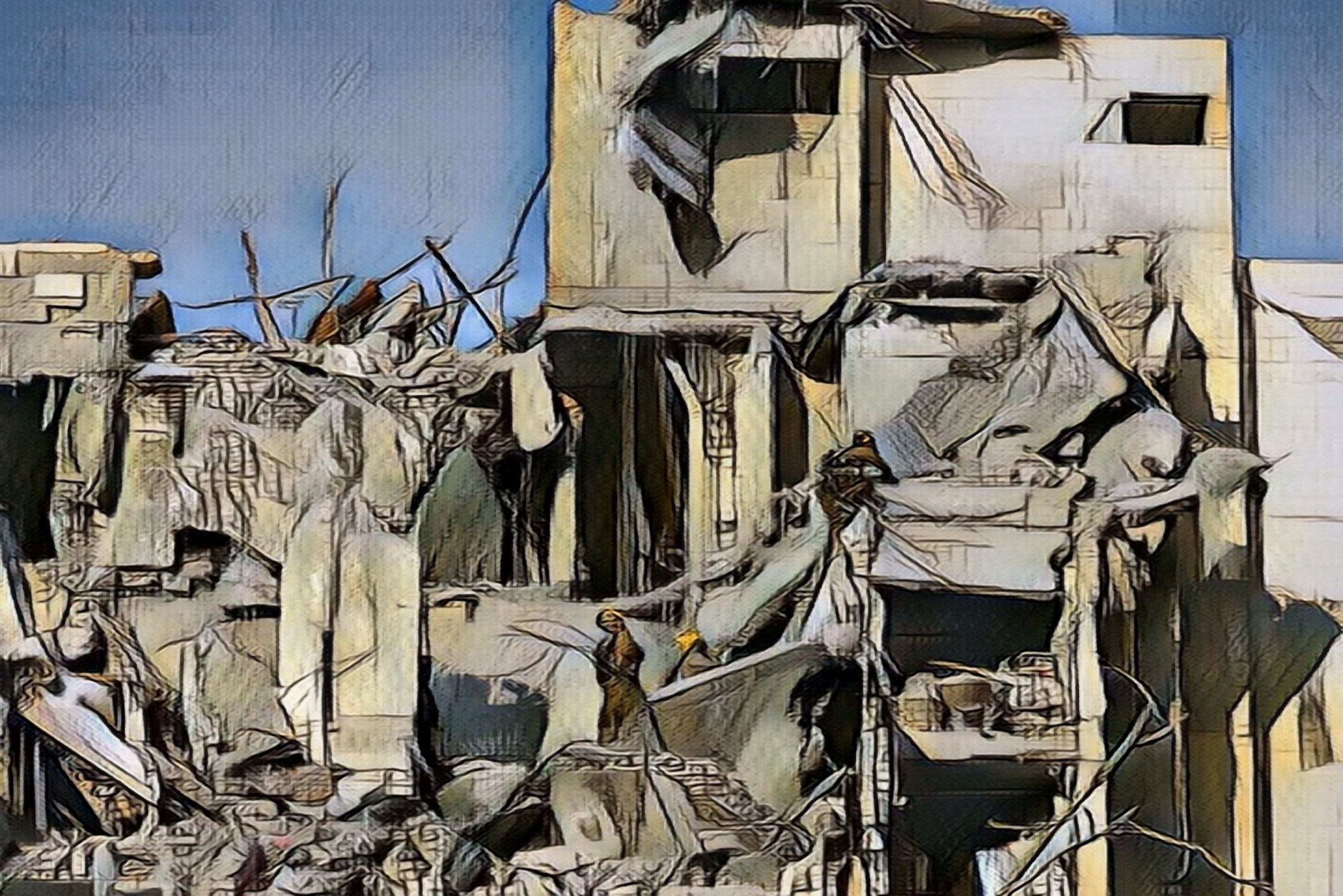
It ended with a handshake in the wrong city.
Not in Washington. Not in Tel Aviv. But in Muscat, under the low glare of Gulf floodlights, flanked by Omani mediators and two generals who refused to look each other in the eye. The Israel–Iran ceasefire—brokered less than three days after Trump’s sudden airstrikes on Iranian nuclear facilities—was hailed as a victory in some quarters. A masterclass in unpredictability. Proof, his allies argued, that raw force gets results.
What it also got was five dead American soldiers, the evacuation of a U.S. base in Qatar, and a weeklong spike in oil prices that sent markets scrambling. Inside the State Department, one career diplomat summed it up privately: “We’re not at war. But we’re not not at war either.”
“It’s like watching someone play chicken with the world,” he said. “And they think the near-miss is the win.”
Back home, the administration used the ceasefire to underscore a broader message: strength works. From foreign policy to federal programs, the White House cast itself as the force willing to do what others wouldn’t. And for a brief moment, that message landed.
Markets surged on defense stocks. Drilling permits soared. In Michigan, a small manufacturing town that once lost 2,000 jobs under environmental restrictions celebrated the reopening of a steel-adjacent facility—its new lease tied to relaxed emissions rules. “Trump brought us back,” said the plant foreman. “You can smell it in the air again.”
“What you could also smell was the buried cost.”