The labor we argue about is the labor that keeps us alive.
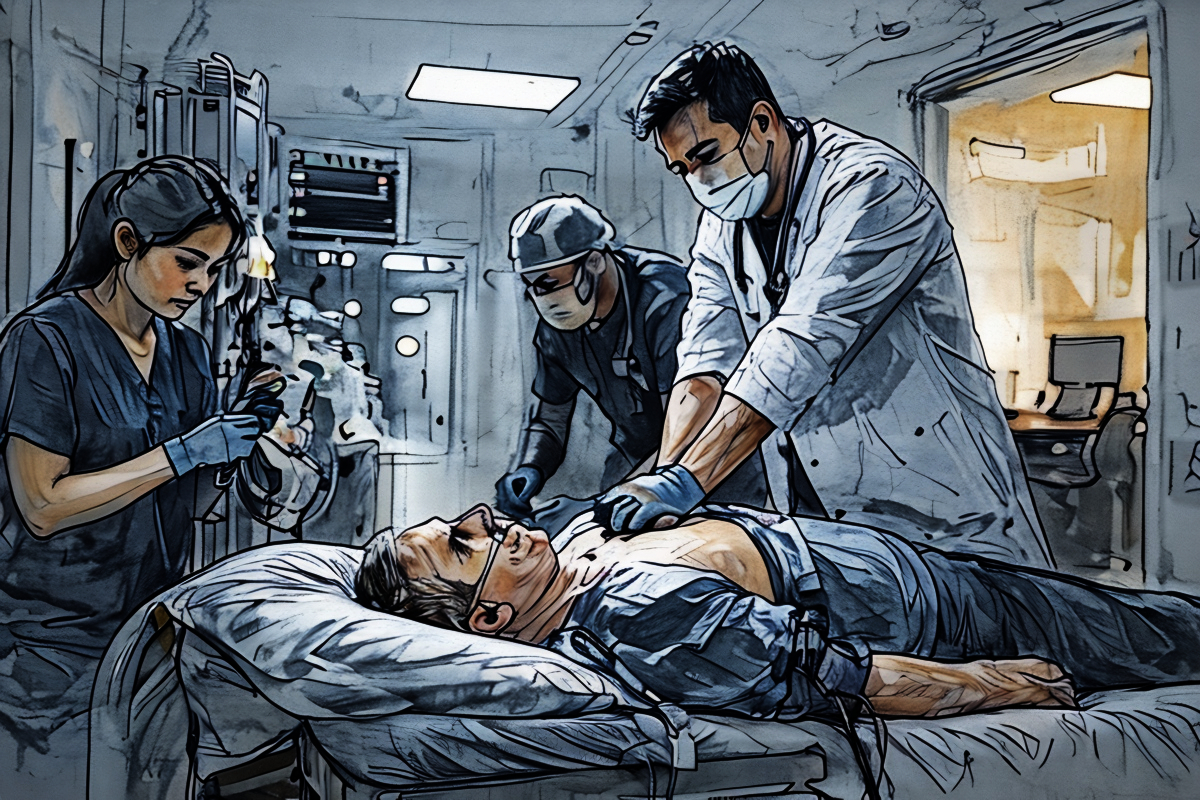
The code blue alarm goes off at 3:17 a.m.
Room 412. Male. Sixty-eight. Sudden neurological collapse.
The night nurse is already moving. The respiratory therapist swings the ventilator into position. A resident sprints down the hallway pulling on gloves. They work the protocol fast — oxygen, compressions, meds. The attending neurologist should be here in under five minutes.
Except tonight there isn’t one.
Two neurologists left last year. One retired. One moved to Toronto after his visa renewal stalled. The third — foreign-born, trained in the United States, board-certified — is waiting on paperwork tied up in a policy fight no one in this hallway voted on.
The patient dies at 3:42.
About 27% of physicians practicing in the United States were born outside the country.¹ Immigrants make up roughly 40% of home health aides.² More than half of farm laborers — about 54% — are immigrants.³
Those numbers are not symbolic. They are load-bearing.
By sunrise the hospital parking lot is full again. Coffee cups. Scrubs. Fluorescent lights humming. The building exhales and inhales, like it always does. And a significant share of the people who make that breathing possible were not born here.