Trump’s First Year Back Has Turned Immigration Into a Test of Identity, Not Law
The list has become so long it’s hard to hold it in your head anymore. One year into Trump’s return, the country feels less like a place with a government and more like a fever chart. Every week has its own spike — a constitutional crisis here, a demolition order there — until the chaos blurs into background noise and you begin to worry you’re numb. That might be the most dangerous damage of all.
The first months of this assessment confronted institutions we once believed were indestructible. The courts. The science agencies. The free press. All of them have been bent, starved, re-purposed. But there is a category of harm that cuts deeper than policy. It is the harm that rewrites who counts as one of us.
You can feel it if you stand long enough in towns like Nogales or McAllen. The air smells of bleach and metal. People speak differently now — quieter, clipped at the edges, as though sentences themselves have become risky. The question that used to live only on extremist message boards — who belongs here — is now federal policy.
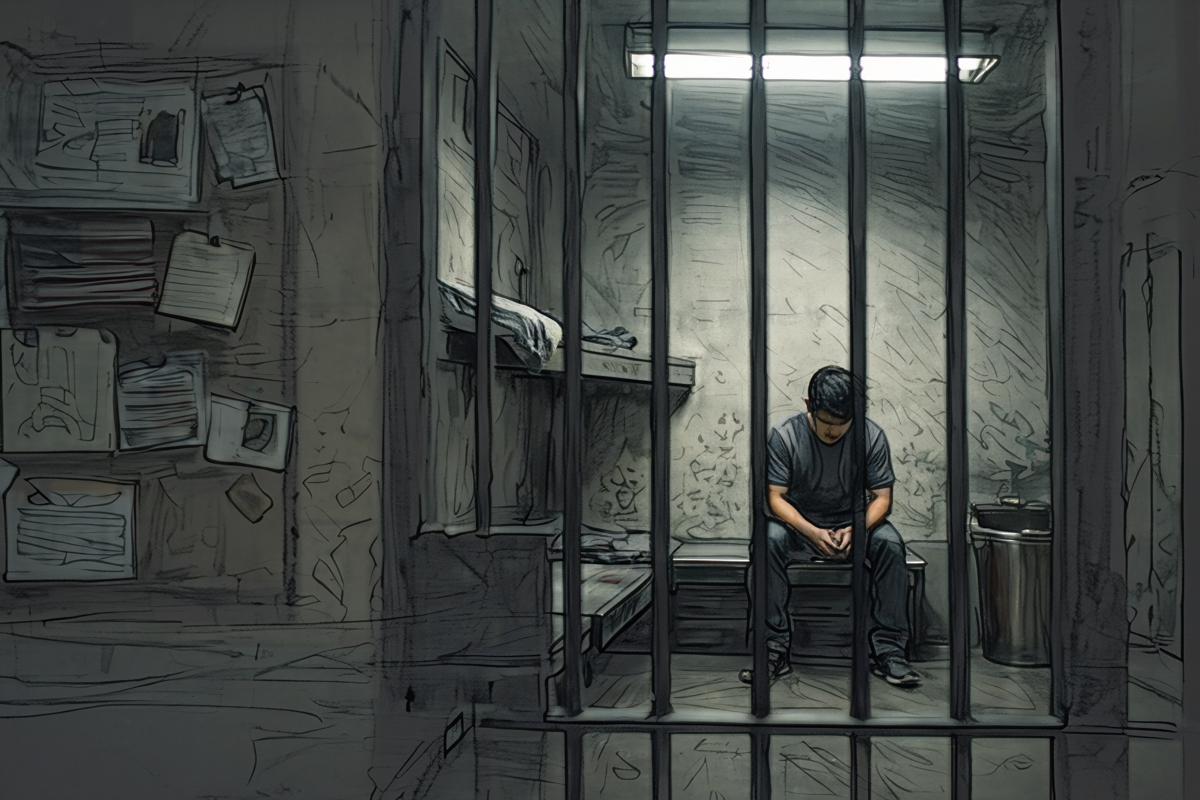
That is where this chapter begins: not in a speech, not in a press release — but in a cell where a U.S. citizen sat for ten days while the government insisted he was not who he said he was.
The first thing they took from him was his name.
In the holding cell in Nogales, Arizona, the light hummed like a dying fluorescent and smelled faintly of rust and disinfectant. Jose Hermosillo, nineteen, born in New Mexico, sat on a metal bench, his hands tucked beneath his thighs for warmth. He repeated the same sentence over and over: I’m a U.S. citizen. The words sounded less like a claim and more like a prayer. Ten days would pass before a federal judge ordered ICE to release him, and his mother arrived with his birth certificate pressed against her chest like a talisman.¹