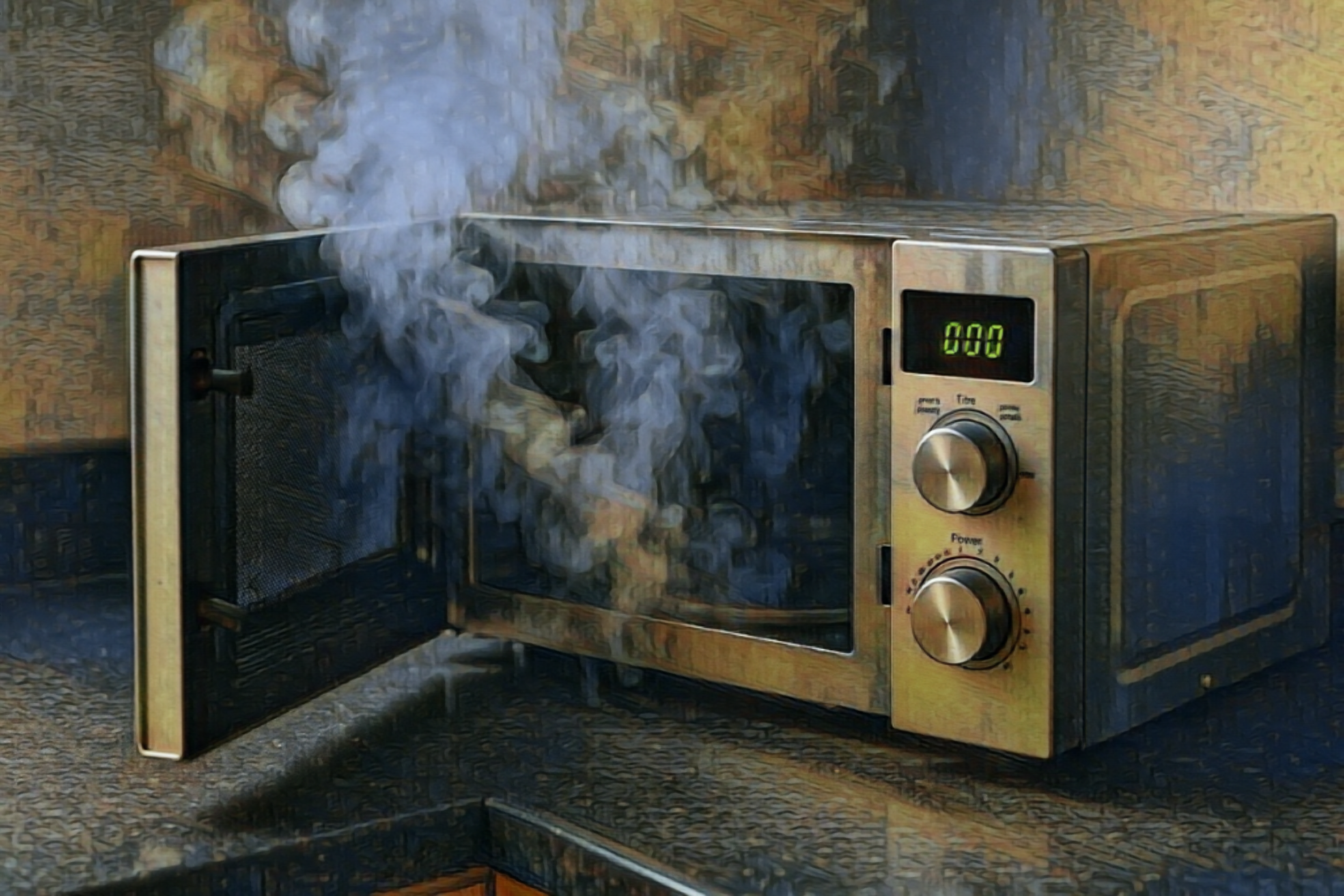
The microwave broke last week. Ninety-six bucks for the same model that used to cost seventy-nine. Same shelf at Walmart. Same box. Different rules.
Donald Trump said China would pay. That tariffs would teach them a lesson.
But the microwave wasn’t made in China. It was assembled in Vietnam, Thailand, and Mexico—shipped across oceans, taxed at the U.S. border, and marked up in aisle twelve.
So yes—he was right, in a way. We are paying. Just not how he said.
Tariffs aren’t leverage. They’re taxes—collected at the border and baked into every aisle. The cost moves up the chain: from the importer, to the store, to your receipt.
You pay it without knowing. It’s not a line on the receipt—it’s the reason your groceries cost more, your fridge costs more, your paycheck covers less.
“Tariffs are a tax on American consumers, plain and simple.” — Gary Hufbauer, Peterson Institute for International Economics
Before 2017, they barely registered. U.S. tariffs hovered around 1–2%—the dull edge of global trade. NAFTA. WTO norms. Bilateral deals with Europe, Japan, even China. The system was friction-managed, cost-conscious. Boring on purpose.
Then Trump showed up with a match.
March 2018: 25% on steel. 10% on aluminum. The justification was “national security,” but the target list said otherwise—Canada, Mexico, South Korea, the EU. Allies. Partners. Burned without warning.
They hit back.
Canada answered with precision: $16.6 billion CAD in tariffs aimed straight at the Midwest.