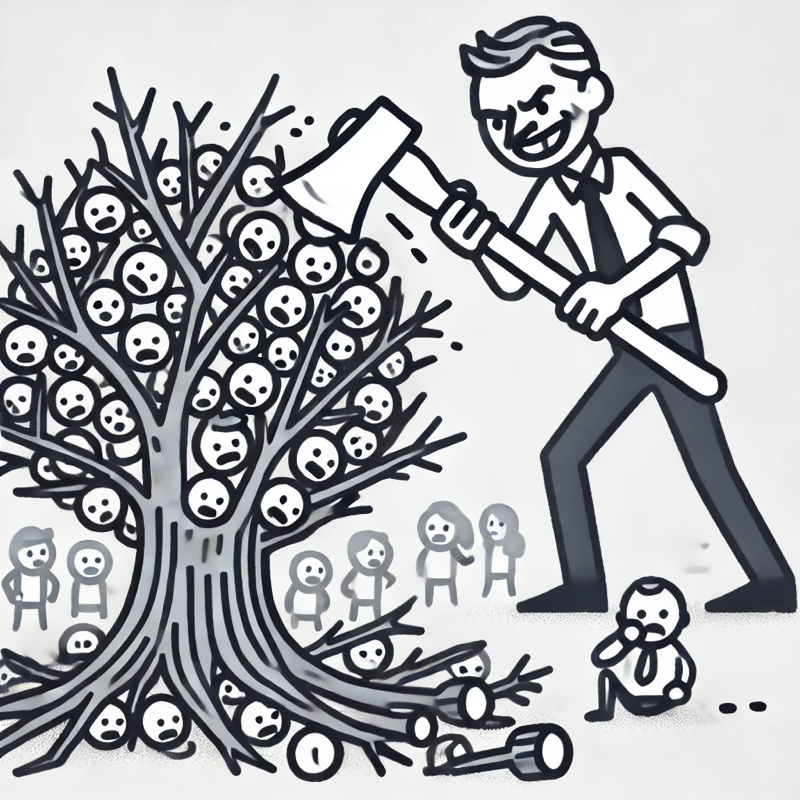
How Orbán Reshaped Hungary—and the Warning for the World
The 2010 Supermajority and the Birth of a New Hungary
In April 2010, Hungary’s voters went to the polls, fed up with high unemployment, corruption scandals, and years of political deadlock. They wanted change—strong leadership, someone who could take charge and cut through the chaos. That someone turned out to be Viktor Orbán. His conservative Fidesz party didn’t just win; they dominated. When the final results came in, Orbán had secured a supermajority—more than two-thirds of the seats in parliament. It was a political earthquake, giving him the power to reshape Hungary almost single-handedly.
And he wasted no time.
Whispers began circulating within weeks: a new constitution was in the works. Constitutional scholars suspected as much, but even they were stunned by the speed and scope of what unfolded. Practically overnight, the old constitution was out, replaced by the Basic Law—a sweeping rewrite of Hungary’s legal framework. Orbán called it a necessary step for modernizing the country and restoring its national identity. Critics had a different take: they called it the “Fidesz Constitution,” warning that it dismantled crucial checks and balances.
Péter Kiss, a longtime constitutional judge, knew firsthand how quickly things were changing. At 62, he was forced into early retirement—his seat swiftly filled by a Fidesz-approved replacement. “It felt,” he confided to a colleague, “as if a new legal system was installed in a matter of days.”
But Orbán’s government wasn’t just rewriting laws—it was overhauling the entire system at breakneck speed. New statutes flew through parliament, affecting everything from the judiciary to media oversight to electoral rules. Opposition politicians could barely keep up.
Journalists felt the shift, too. Eszter Komáromi, once proud of her newsroom’s independent