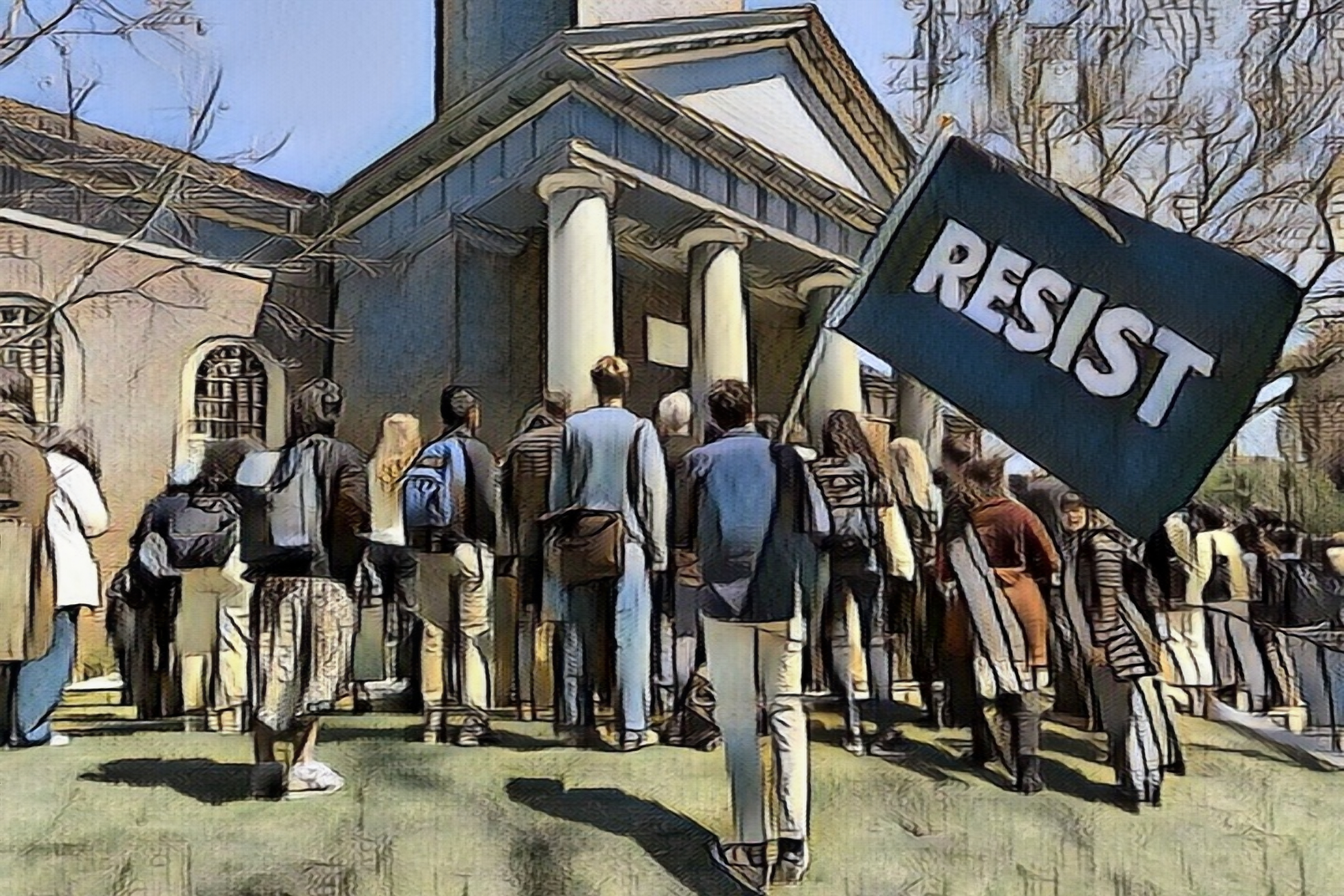
It started with a phrase: “patriotic education.” And it didn’t stop there.
By spring 2025, teachers across the country were combing through lesson plans, editing slides, pulling books. One Florida principal asked if mentioning slavery in a Civil War unit might now count as “indoctrination.” In Maine, a teacher told students she couldn’t use their pronouns without risking federal funds.
They weren’t overreacting. They were reacting to orders.
The Trump administration’s second term opened with a blitz of directives aimed squarely at the education system. History rewritten. Diversity programs gutted. Trans kids erased from policy. All under the banner of “freedom”—but enforced through control.
The January 29 executive order—“Ending Radical Indoctrination in K-12 Schooling”—didn’t name specific texts. It didn’t have to. It told agencies to defund any program that “promotes gender ideology or discriminatory equity ideology.” Definitions were loose. Enforcement wasn’t.
The chilling effect came fast. DEI offices dismantled. Grants frozen. Civil rights probes launched—not against discrimination, but against those addressing it. In March, Harvard had over $2 billion in research funding paused. Columbia and Penn weren’t far behind.
PULL-QUOTE: “Harvard had more than $2 billion in research funding paused.”
Then Harvard sued.
In a blistering federal complaint, the university accused the Department of Education of “weaponizing the grant system” to enforce political conformity. “This isn’t about compliance,” the brief argued. “It’s coercion.” Within days, Yale, Stanford, and the University of Chicago joined. More than 100 institutions followed—public and private, red states and blue.