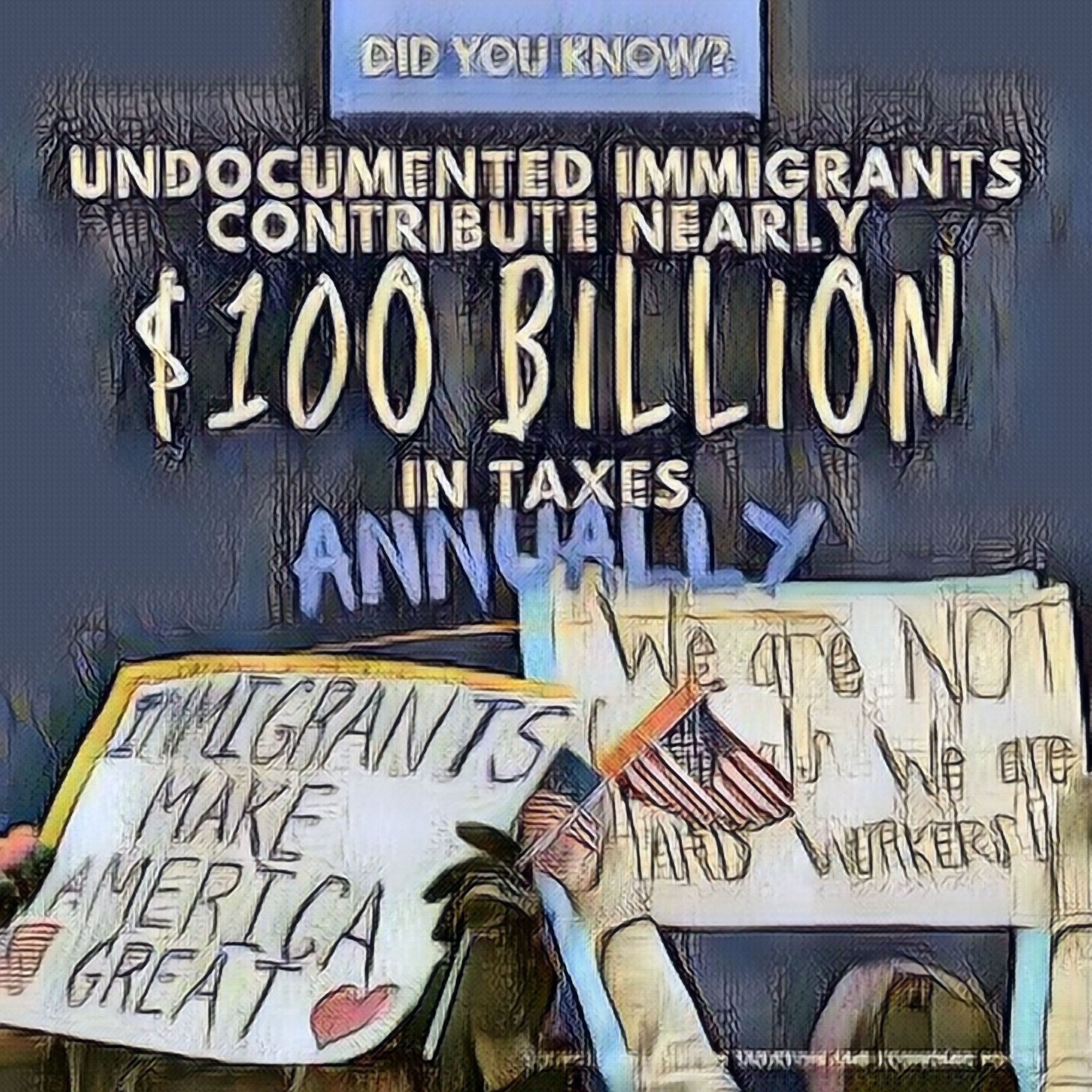
It’s a strange thing, watching a country tax the hell out of people it won’t officially acknowledge. Stranger still when those people end up subsidizing the very programs they’re barred from using.
In 2022, undocumented immigrants paid $25.7 billion into Social Security and $6.4 billion into Medicare. They’ll never collect a cent of that. Not legally. Not ever. They also chipped in another $64.6 billion to federal and state coffers through sales, property, and income taxes—almost $8,900 per person. That’s more than some citizens pay.
“Illegal immigrants actually contribute more to public coffers in taxes than they cost in social services.” — Francine Lipman, Professor of Law
You won’t hear that in campaign ads. The talking points are louder than the math: that these newcomers are drains, freeloaders, burdens. But the accounting doesn’t lie. Neither do the payroll slips.
In states like California and Texas, where immigrant labor undergirds entire industries, the tension is sharpest. One hand tightens the enforcement net. The other cashes the checks.
Carl Davis of the Institute on Taxation and Economic Policy calls the disconnect what it is: policy denial. “Between half and three-quarters of undocumented immigrants pay income taxes through withholding or filing returns,” he notes. “They’re in the system, even if they’re not recognized by it.”
“They’re bankrolling benefits they’ll never see.”
Healthcare is the same paradox. While undocumented immigrants are generally barred from Medicaid and the ACA, they still pour billions into the programs. The same goes for unemployment insurance—$1.8 billion paid in, no eligibility to file.
And yet, the burden narrative persists. The Federation for American Immigration Reform (FAIR), a conservative think tank, pegs the annual net cost of undocumented immigration at $150.7 billion.